Skip to content
Aging in place remodeling isn’t just about convenience—it’s about protecting your independence, safety, and quality of life for years to come. As a licensed remodeling professional with hands-on experience designing accessible homes across Connecticut, we’ve seen firsthand how the right upgrades can prevent injuries, reduce daily strain, and give homeowners the confidence to stay where they feel most comfortable: at home.
Too often, homeowners wait until mobility becomes a challenge before making changes. But the most effective aging in place home modifications are proactive, not reactive. Thoughtful updates—like safer bathrooms, improved lighting, and barrier-free layouts—can seamlessly blend into your home’s design while dramatically improving how it functions over time.
In this guide, we’ll walk you through practical, code-compliant solutions rooted in real-world experience, not theory. Whether you’re planning ahead or adapting to changing needs now, these aging in place remodeling strategies will help you create a safer, more accessible, and future-ready home.
Universal Design Principles Every Home Should Include

Universal design focuses on making a home easy to use for people of all ages and abilities without needing major changes later.
What Is a Universal Design Home?
Universal design means building or remodeling with long-term usability in mind. Features like step-free entryways, wider doorways, and lever-style handles make everyday tasks easier now and reduce the need for future modifications.
Designing Spaces for All Ages and Abilities
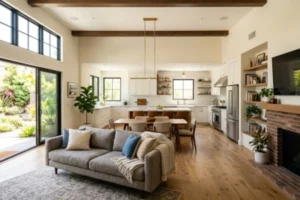
Simple choices can make a big difference. Open layouts improve movement between rooms, non-slip flooring reduces fall risk, and consistent lighting helps eliminate dark areas. These updates don’t change how a home looks. They improve how it functions.
Future-Proofing Your Home with Smart Layout Choices
The goal is to make smart decisions early so your home doesn’t need major updates later. Wider hallways, accessible storage, and a main-level living setup all make it easier to stay in your home long-term without constant adjustments.
Key Aging in Place Home Modifications for Safety and Accessibility
The right upgrades focus on reducing fall risks, improving mobility, and making everyday tasks easier. These changes are designed to help you move through your home safely and use each space with less effort.
Entryway and Accessibility Improvements
A safe entry starts with removing common hazards. Non-slip surfaces, sturdy handrails, and proper lighting help reduce fall risks, while ramps or level thresholds make it easier to move in and out of the home. These upgrades improve day-to-day access and make the entryway safer for anyone with limited mobility.
Wider Doorways and Open Floor Plans
Wider doorways make it easier to move through the home, especially if mobility becomes limited. Open layouts reduce tight turns, remove obstacles, and improve overall flow between rooms. Even small changes like widening a doorway or removing a non-structural wall can make everyday movement safer and more comfortable.
Slip‑Resistant Flooring and Safer Surfaces
Flooring plays a major role in fall prevention. Materials like textured tile, luxury vinyl, or rubber provide better traction than smooth or glossy surfaces. In high-risk areas like kitchens and bathrooms, avoiding slick finishes and securing rugs can reduce the chance of slips during daily use.
Improved Lighting for Visibility and Safety
Better lighting makes it easier to move safely throughout the home. Bright overhead lights, focused task lighting, and motion sensors help eliminate dark areas and reduce missed steps. Hallways, stairways, kitchens, and bathrooms should all be clearly lit to improve visibility and make navigation more predictable.
Aging in Place Bathroom Ideas for Maximum Safety

Bathrooms are one of the highest-risk areas in the home. The right upgrades focus on reducing fall risks, improving stability, and making everyday use easier.
Walk-In Showers and Curbless Designs
Removing the step into a shower eliminates one of the most common tripping hazards. Curbless designs allow for easy entry, especially for anyone using mobility aids. Adding a built-in bench and handheld showerhead improves comfort and control.
Grab Bars and Reinforced Walls
Grab bars provide support where it’s needed most like near the toilet, inside the shower, and along entry points. Reinforcing the walls during a remodel ensures they can safely support weight, even if additional bars are added later.
Comfort-Height Toilets and Accessible Vanities
Comfort-height toilets make sitting and standing easier by reducing strain on the knees and hips. Vanities with open space underneath allow for seated use and better access, especially in tighter layouts.
Non-Slip Flooring and Proper Drainage
Wet surfaces increase the risk of falls. Slip-resistant flooring improves traction, while proper drainage prevents water from pooling in key areas. These two elements work together to keep the space safer during daily use.
Kitchen Modifications for Aging in Place Living
A safe, functional kitchen comes down to reducing strain, improving reach, and creating clear space to move comfortably.
Lowered Countertops and Accessible Storage
Lowering a section of the countertop makes prep work easier when standing for long periods or sitting. Storage should keep everyday items within reach. Think drawers instead of deep cabinets and frequently used items at waist level.
Pull-Out Shelving and Smart Organization
Pull-out shelves and drawers eliminate the need to reach into the back of cabinets. This makes it easier to access cookware, pantry items, and cleaning supplies without bending or stretching.
Easy-to-Use Appliances and Fixtures
Appliances with simple controls, front-facing panels, and clear displays are easier to use. Touch or lever-style faucets reduce effort, especially for anyone with limited hand strength.
Safe Layouts That Improve Mobility
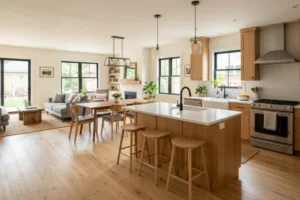
A good layout keeps pathways clear and wide enough to move comfortably. Placing the sink, stove, and refrigerator within easy reach reduces unnecessary steps, while minimizing tight corners and obstacles helps prevent trips or strain.
How Much Does Aging in Place Remodeling Cost in Connecticut?
Aging in place remodeling in Connecticut can range widely in cost, often falling between $5,000–50,000, depending on the extent of modifications needed. Factors influencing the price include the types of materials used, the complexity of the project, and any necessary permits. It’s wise to budget for unexpected expenses, ensuring your home meets your long-term comfort and safety needs.
Why Hiring a Professional Remodeling Contractor Matters

When planning senior home remodeling, working with a professional contractor ensures your project is completed safely, efficiently, and to code. Experienced experts understand how to incorporate modifications that enhance accessibility, comfort, and independence while avoiding costly mistakes. They guide design home, manage timelines, and deliver results tailored to your long-term needs. By trusting skilled professionals, you gain peace of mind knowing your home will remain functional, secure, and welcoming for years to come.
Start Planning Your Aging in Place Remodel with Confidence
Your home should support you at every stage of life—not limit you. The right aging in place remodeling plan can reduce risks, improve daily comfort, and give you long-term peace of mind knowing your space is built to adapt with you.
At Dogwood Remodeling, we take a practical, experience-driven approach to aging in place home design. From evaluating your current layout to recommending smart, code-compliant upgrades, our team helps you make informed decisions that protect both your safety and your investment.
Don’t wait until small challenges become major obstacles. Schedule a consultation with Dogwood Remodeling to evaluate your attic ventilation system and improve the performance of your roof and exterior.
FAQs
1. What is aging in place remodeling?
This type of remodeling focuses on updating a home to support comfort, accessibility, and safety as needs change over time. It helps homeowners remain in their space longer with greater ease.
2. Why is remodeling focused on elder care important?
It allows individuals to maintain independence and avoid the need for relocation by creating a more functional and supportive living environment that adapts to future needs.
3. When should I consider aging in place updates?
It’s best to plan early, even before changes are necessary, so adjustments can be made gradually and thoughtfully without urgency or disruption.
4. Does senior home remodeling affect home value?
Yes, these updates can make a home more appealing to a wider range of buyers by improving usability, comfort, and long-term functionality.
5. Is longer-term remodeling only for older adults?
No, it benefits anyone looking to create a safer, more adaptable home environment that supports comfort and convenience at any stage of life.