Skip to content
For many Connecticut homeowners, whole-home remodeling offers a smarter long-term investment than moving. Whether you own a historic Colonial, a mid-century ranch, or a newer family home, changing lifestyles, aging systems, and outdated layouts can make even a well-loved property feel like it no longer fits your needs.
A thoughtfully planned remodel allows you to improve comfort, functionality, and energy efficiency while protecting the value of one of your largest investments. Whole-home remodeling in Connecticut helps homeowners improve comfort, functionality, and long-term property value through carefully planned renovations that update multiple rooms, major systems, and living spaces in a single coordinated project.
The short answer is yes, whole-home remodeling is often worth the investment when the project is carefully planned, realistically budgeted, and completed by an experienced design-build team. A well-executed renovation can transform the way you use your home today while increasing its market appeal and long-term equity. The key is making improvements that complement your home’s architecture, fit your family’s lifestyle, and align with neighborhood property values.
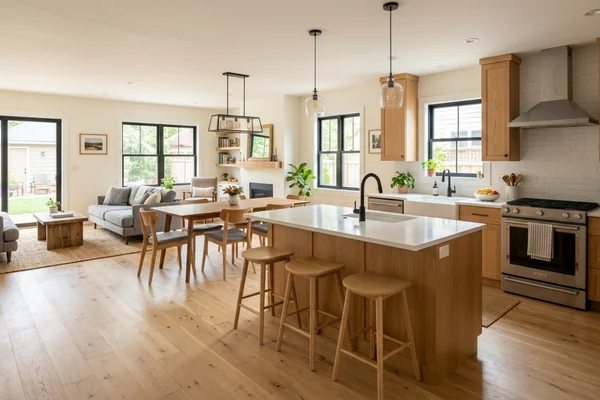
In this guide, we’ll explain what a whole-house remodel involves, discuss typical whole-house remodel cost expectations in Connecticut, highlight the highest-ROI home renovation rooms, and share practical advice on how to plan a major home renovation with confidence.
Whether you’re considering a complete home renovation all at once or tackling it in carefully planned phases, you’ll have a clearer understanding of what to expect before your project begins. Complete home renovations in Fairfield allow homeowners to modernize outdated layouts, improve energy efficiency, and create more functional living spaces while protecting long-term property value through professional design-build planning.
What Full Home Remodeling in Connecticut Actually Means
It is much more than updating a few rooms. It is a carefully planned renovation that improves multiple areas of your home, either as a single coordinated project or through strategically phased construction. Rather than treating each renovation independently, a whole-house remodel considers how every improvement—from structural changes to interior finishes- works together to create a more functional, efficient, and valuable home.
Understanding the Scope Before You Budget
The total cost of a home renovation depends on the home’s size, structural changes, finish selections, and mechanical upgrades. Planning with an experienced contractor helps establish a realistic budget before construction begins.
Every full home remodeling project begins with defining the scope of work. Depending on your home’s age, condition, and long-term goals, a complete home renovation may include:
● Kitchen remodeling
● Bathroom renovations
● Basement finishing
● Room additions
● Flooring replacement
● Interior and exterior painting
● Window and door replacement
● Electrical and plumbing upgrades
● HVAC modernization
● Roofing or siding improvements
● Energy-efficiency upgrades
● Open-concept floor plan modifications
No two home remodeling projects in Connecticut are exactly alike. A 1970s Colonial in Trumbull with original plumbing, aging electrical systems, and compartmentalized rooms requires a very different remodeling strategy than a newer home in Southport that primarily needs updated finishes, expanded living space, and improved functionality.
Before discussing the total cost of the home renovation, an experienced general contractor and home remodeling team should conduct a comprehensive assessment of the property. This includes evaluating the home’s structure, foundation, load-bearing walls, roofing, insulation, plumbing, electrical service, HVAC equipment, and any previous renovations.
In Connecticut, local zoning regulations, permitting requirements, and historic district guidelines may also influence what can be built or modified, making early planning essential. That is where our expert team can come in and lend a helping hand.

Why Design-Build Makes Remodeling Easier
Because every part of a remodeling project is connected, successful renovations depend on careful coordination from the very beginning. Moving a wall may require electrical rerouting, plumbing changes, HVAC adjustments, and structural engineering. Decisions made during the design phase often affect scheduling, material selections, and construction costs throughout the rest of the project.
A design-build approach keeps those moving parts working together. Instead of hiring separate architects, designers, and contractors, homeowners work with one integrated team that manages planning, design, budgeting, permitting, and construction from start to finish.
This collaborative process helps reduce miscommunication, minimizes costly change orders, and keeps the project moving more efficiently.
At Dogwood Home Remodel, every project begins with a detailed discovery consultation. We evaluate your home’s existing condition, discuss how your family uses the space today, identify opportunities for improvement, and develop a renovation plan that aligns with your goals and budget.
By completing the design work before construction begins, homeowners gain greater confidence in the scope, timeline, and investment required for a successful whole-house remodel.
What Does a Whole-House Remodel Cost in Connecticut?
The total cost of home renovation in Connecticut is often higher than the national average due to higher-skilled labor rates, premium material selections, permitting requirements, and the larger size of many homes in Fairfield County and surrounding communities.
Understanding the complete home renovation cost ranges early helps you plan with confidence, because the final investment depends on the home’s age, existing condition, structural changes, and the level of finishes you choose.
Realistic Cost Ranges for Connecticut Homes
A Fairfield whole-house remodel allows homeowners to redesign kitchens, bathrooms, living areas, and mechanical systems together, creating a more cohesive home while minimizing future renovation disruptions. While every project is unique, homeowners can generally expect the following investment ranges for whole-home remodeling:
| Renovation Level | Typical Cost (per sq ft) | What It Typically Covers | Example (2,500 sq ft home) |
| Cosmetic/basic | $75–$150 | Finishes, paint, and flooring; no major structural or system work | Lower end of the range |
| Mid-range whole-house | $150–$250 | New kitchen and baths, updated systems, and some layout changes | — |
| High-end/full upgrade | $250–$400+ | Structural changes, premium finishes, full system replacement | $375,000–$600,000+ |
| Luxury | $400+ | Custom millwork, imported stone, smart home, designer fixtures | Aligns with Greenwich, Darien, Westport, and New Canaan values |
For example, a comprehensive renovation of a 2,500-square-foot home that includes a new kitchen, multiple bathroom remodels, updated flooring, mechanical system improvements, and finished living space may range from $375,000 to $600,000 or more, depending on the scope of work and finish selections.
Projects focused primarily on cosmetic upgrades, without major structural changes or system replacements, typically fall at the lower end of the range. However, many older Connecticut homes reveal hidden issues—such as outdated wiring, aging plumbing, or insufficient insulation—once construction begins, making contingency planning an important part of the budget.
Luxury whole-house remodeling projects featuring custom millwork, imported stone, integrated smart home technology, premium appliances, and designer fixtures can exceed $400 per square foot. In communities such as Greenwich, Darien, Westport, and New Canaan, these higher-end finishes often align with buyer expectations and surrounding property values.
Using the 30% Guideline When Planning Your Budget
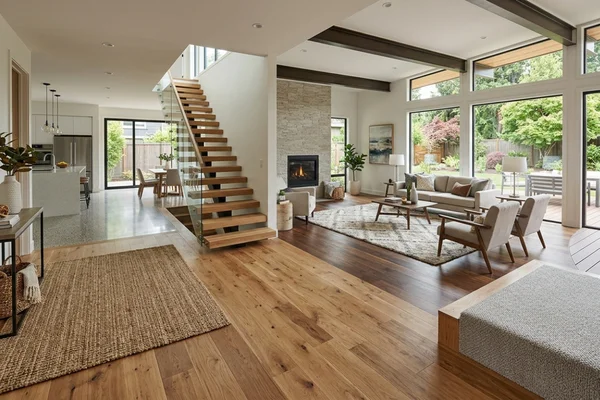
A commonly referenced remodeling guideline suggests keeping renovation costs at or below 30% of your home’s current market value when resale is your primary objective. For example, if your home is worth $1.2 million, a renovation budget of approximately $360,000 may help keep your investment aligned with neighborhood values and reduce the risk of over-improving the property.
Like any guideline, however, it isn’t a hard rule. Connecticut’s housing market varies widely from town to town, and homes in desirable communities may support larger renovation investments when demand, comparable sales, and long-term ownership goals justify the expense. Whole-home remodeling in Connecticut is a varied and multi-layered project in any situation.
Rather than relying on a fixed percentage alone, it’s important to evaluate your home’s condition, your family’s needs, and local market trends with an experienced general contractor home remodel team that understands neighborhood pricing and buyer expectations.
THE HIGHEST ROI HOME RENOVATION ROOMS
Not every renovation delivers the same financial return. If you’re planning a whole-home remodel on a limited budget, focusing on the rooms that add the most value can help maximize both your investment and your everyday enjoyment of the home. Whole-home remodel cost varies based on project scope, materials, home age, and structural work. A detailed consultation provides the most accurate estimate and helps homeowners prioritize improvements that deliver lasting value.
While resale value matters, the benefits of home remodeling also include improved functionality, greater comfort, and a home that better fits your family’s lifestyle.
Kitchen Remodeling as the Anchor Investment
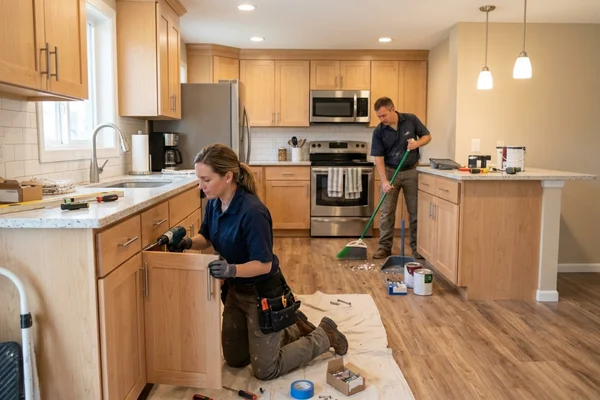
The kitchen is widely considered one of the highest-ROI home renovation projects, and for good reason. In Connecticut homes, the kitchen often serves as the central gathering space for cooking, entertaining, and everyday family life. A thoughtfully designed kitchen remodel can significantly improve how the home functions while also increasing its appeal to future buyers.
Although every project is different, a well-executed kitchen renovation in the $80,000 to $150,000 range may recover approximately 60% to 80% of its cost at resale, depending on the home’s location, finish selections, and overall market conditions.
Features that continue to attract buyers include:
● Custom or semi-custom cabinetry with soft-close hardware
● Quartz or natural stone countertops
● Professional-grade or premium appliances
● Layered lighting with recessed, under-cabinet, and pendant fixtures
● Functional islands with seating and additional storage
Open-concept layouts that connect the kitchen to adjoining living or dining spaces also remain popular throughout Connecticut’s suburban communities, creating a more spacious feel and improving everyday flow without necessarily increasing the home’s footprint.
Bathroom Renovations and the Primary Suite Effect
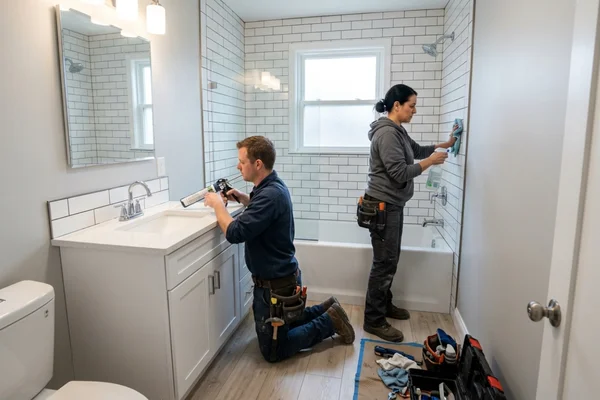
Primary bathroom renovations are another project that can deliver a strong return while dramatically improving day-to-day comfort. Today’s Connecticut homeowners increasingly look for spa-inspired spaces featuring large-format tile, curbless showers with linear drains, freestanding soaking tubs, heated flooring, and dual vanities with ample storage and integrated lighting.
Because bathrooms are exposed to constant moisture, quality construction is just as important as attractive finishes. Connecticut’s humid summers and cold winters can create conditions conducive to mold growth, peeling paint, and premature grout or caulk failure when ventilation and waterproofing are inadequate.
Proper exhaust ventilation, moisture-resistant wall assemblies, appropriate waterproofing behind tiled shower areas, and quality installation practices all help protect your investment and reduce the likelihood of costly repairs in the future.
Basement Finishing Adds Functional Living Space
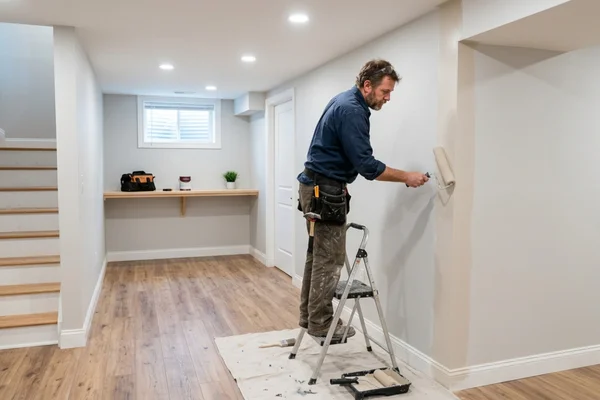
Finishing a basement is often one of the most cost-effective ways to increase usable living space without building an addition. In many Connecticut communities, where lot sizes, setbacks, or zoning regulations may limit outward expansion, converting an unfinished basement into a functional living space can be an excellent alternative.
Finished basements are commonly used for:
● Home offices
● Family or media rooms
● Home gyms
● Guest suites
● Playrooms
● Multi-purpose recreation spaces
Before installing finished materials, however, moisture management should always be addressed. Depending on the home’s condition, solutions may include drainage improvements, sump pump installation, waterproofing measures, or foundation insulation. Taking these steps first helps protect flooring, drywall, and finishes while creating a healthier, longer-lasting living environment.
HOW TO PLAN A MAJOR HOME RENOVATION
Successful complete home remodeling starts long before demolition begins. The most successful projects are built on careful planning, realistic budgeting, and open communication with an experienced remodeling team. Investing extra time during the planning stage can help reduce unexpected costs, minimize delays, and ensure the finished home reflects both your lifestyle and long-term goals.
Set Priorities Before You Meet with a Contractor
Total house remodeling in Connecticut allows homeowners to update aging homes, improve energy efficiency, increase usable space, and create a layout that better supports modern family living and future resale potential. Before requesting estimates, take time to identify what matters most. Separate essential improvements from features that would simply be nice to have.
Essential priorities often include:
● Structural repairs
● Roofing or foundation issues
● Electrical, plumbing, or HVAC upgrades
● Improving layout and functionality
● Energy-efficiency improvements
Wish-list items may include premium finishes, custom built-ins, smart home technology, luxury appliances, or designer lighting.
Creating a written list of priorities and establishing a comfortable investment range—helps your remodeling team recommend solutions that deliver the greatest value without exceeding your budget. It also makes it easier to adjust the project scope if unexpected conditions are discovered during construction.
Work with a Contractor Who Understands the Entire Project
A whole-house remodel involves many moving parts, from design and budgeting to permitting, scheduling, and construction. Choosing an experienced general contractor home remodel team early in the process helps keep those pieces working together from start to finish.
During your initial consultation, a qualified remodeling professional should evaluate your home’s condition, discuss your goals, explain potential challenges, and provide realistic guidance on budget, timeline, and project scope. Establishing this plan before construction begins helps reduce surprises and gives you greater confidence throughout the renovation.
Understand Permits and Plan for the Timeline
Most major remodeling projects in Connecticut require permits for structural, electrical, plumbing, or HVAC work. Because each municipality manages its own review process, approval timelines can vary and should be factored into the overall project schedule.
An experienced remodeling contractor will typically coordinate permit applications, inspections, and code compliance on your behalf, allowing you to focus on design decisions instead of paperwork while helping ensure the project meets current building requirements.
Consider a Phased Remodeling Plan
If completing your home remodeling project all at once isn’t practical, a phased approach can still produce excellent results. Many homeowners begin with high-impact spaces like the kitchen or primary bathroom before expanding into additional living areas over time.
The key is developing a master plan from the beginning. Planning future phases allows plumbing, electrical, and other behind-the-wall work to be completed strategically, reducing unnecessary demolition and helping control costs as your renovation progresses.
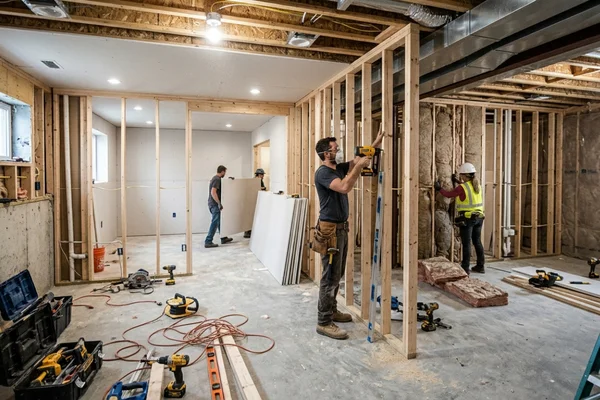
CONNECTICUT CLIMATE CONSIDERATIONS IN WHOLE-HOME DESIGN
Connecticut’s climate directly affects material selection, system design, and long-term maintenance requirements for any whole-house remodel. Every project in Connecticut should begin with careful planning, realistic budgeting, and a phased design strategy that reduces unexpected costs and keeps construction organized from start to finish.
Managing Humidity in Kitchens and Bathrooms
Connecticut summers bring sustained humidity that affects indoor air quality, finishes, and building materials. In kitchens, this means specifying cabinet construction with moisture-resistant MDF cores or solid wood frames rather than particleboard, which swells and delaminates over time.
Proper range hood ventilation, sized to the cooking equipment, is essential for managing steam and grease in the air. In bathrooms, humidity management goes beyond exhaust fans. Shower enclosures should be fully waterproofed with a membrane system installed behind the tile rather than relying solely on grout.
Grout is not waterproof. A membrane system like Schluter Kerdi or a liquid-applied waterproofing product provides the actual moisture barrier. This is a detail that separates quality installations from ones that fail within five years.
Seasonal Indoor-Outdoor Living Design
Connecticut homeowners are increasingly investing in outdoor spaces that extend the living area during the warmer months. Covered porches, screened additions, and deck expansions connected to the main living area are popular in towns like Westport, Wilton, and Fairfield.
These projects require careful attention to drainage, material selection for freeze-thaw cycles, and structural connections to the main home that meet Connecticut’s wind and snow load requirements.
Composite decking, powder-coated aluminum railings, and exterior-grade wood species like ipe or thermally modified ash perform well in Connecticut’s seasonal conditions. These materials carry a higher upfront cost than pressure-treated pine but require significantly less maintenance and last considerably longer.
THE LONG-TERM VALUE OF PROFESSIONAL REMODELING
The benefits of home remodeling in Fairfield extend beyond resale value, including improved comfort, lower maintenance costs, greater energy efficiency, and living spaces designed around your family’s changing needs.
The benefits of home remodeling extend well beyond resale value. A thoughtfully planned remodeling project can improve everyday comfort, increase energy efficiency, reduce ongoing maintenance, and help your home adapt to your family’s changing needs for years to come.
Energy Efficiency and Lower Operating Costs
A whole-house remodel creates the ideal opportunity to upgrade your home’s building envelope. Improvements such as better insulation, energy-efficient windows, air sealing, and modern HVAC equipment can significantly reduce heating and cooling costs while making your home more comfortable throughout Connecticut’s changing seasons.
Older Connecticut homes often benefit from attic insulation upgrades, basement and rim joist air sealing, and improved wall insulation where practical. Together, these improvements help eliminate drafts, maintain more consistent indoor temperatures, and reduce long-term operating costs.
Remodeling for the Future
Many Connecticut homeowners are planning renovations that support both their current lifestyle and future needs. Features like wider doorways, curbless showers, first-floor primary suites, and lever-style hardware create a home that’s easier to navigate without sacrificing style.
These universal design features aren’t just practical—they’re increasingly sought after by buyers looking for homes that offer comfort, convenience, and long-term livability. By planning, homeowners can enjoy their renovated space today while adding lasting value for tomorrow.
The highest ROI home renovation ideas often include kitchen remodeling, bathroom renovations, basement finishing, and energy-efficiency upgrades that improve everyday living while increasing long-term market appeal.
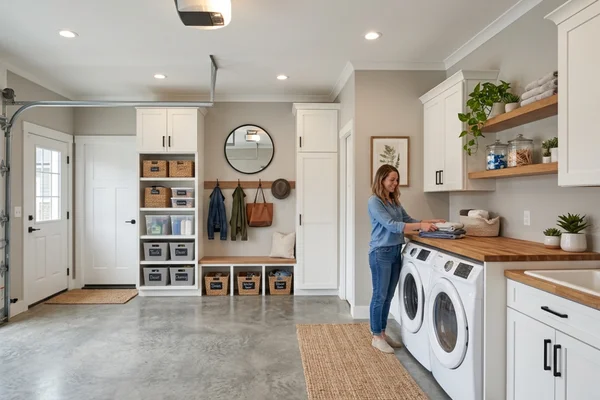
Ready to Start Your Home Remodeling Project?
If you’re considering full home remodeling in Connecticut, the first step is understanding what’s possible for your home, your lifestyle, and your budget. At Dogwood Home Remodel, our experienced design-build team helps homeowners plan complete home renovations with clear communication, thoughtful design, realistic budgeting, and quality craftsmanship from concept through construction.
Choosing experienced Connecticut home remodeling contractors or a trusted general contractor for a home remodel helps homeowners plan a major renovation while avoiding costly delays, budget overruns, and unnecessary change orders.
Schedule your consultation today to discuss your renovation goals, receive expert recommendations tailored to your home, and discover how a professionally planned whole-house remodel can add lasting comfort, functionality, and value. We proudly serve homeowners throughout Fairfield, Bridgeport, Darien, Easton, Greenwich, Norwalk, Southport, Stamford, Trumbull, Westport, and Wilton.
FREQUENTLY ASKED QUESTIONS
What is the 30% rule in remodeling?
The 30% rule is a general budgeting guideline suggesting homeowners avoid spending more than about 30% of their home’s value on renovations if resale is the primary goal. However, local market conditions, neighborhood values, and long-term plans should always guide your remodeling investment.
What does a $10,000 bathroom remodel include in Connecticut?
A $10,000 bathroom remodel typically covers cosmetic updates such as a new vanity, fixtures, lighting, paint, and flooring in a smaller bathroom. Complete renovations with custom tile, plumbing changes, or luxury finishes generally require a substantially larger budget.
Is $100,000 enough for a whole-home remodel?
For most Connecticut homes, $100,000 is not enough for a complete home remodeling project. However, it can fund a high-quality kitchen renovation, bathroom remodel, basement finishing, or the first phase of a larger renovation plan.
How long does a whole-home remodel take?
Most complete home renovations take between six and twelve months, depending on the project’s size, permitting, material availability, and structural complexity. Planning, design, and permitting typically begin several weeks before construction starts.
Is full home remodeling worth the investment?
For many homeowners, yes. A professionally planned whole-house remodel can improve comfort, functionality, energy efficiency, and resale value while allowing you to customize your existing home instead of moving.
How do I plan a major home renovation?
Start by identifying your priorities, establishing a realistic budget, and meeting with an experienced design-build contractor. Planning the entire project before construction begins helps reduce delays, unexpected costs, and unnecessary change orders.
Should I remodel my home or move?
If you love your location but your home no longer meets your needs, home remodeling may be the better investment. Renovating can often be more cost-effective than purchasing a new home while allowing you to create a space tailored to your lifestyle.
What adds the most value during a home renovation?
Kitchens, primary bathrooms, and finished basements are often among the highest ROI home renovation projects. Upgrading energy efficiency, improving layouts, and modernizing major systems can also add long-term value and appeal.
Why should I choose a design-build remodeling company?
A design-build team manages planning, design, budgeting, permitting, and construction under one contract. This collaborative approach improves communication, streamlines scheduling, and helps keep your project on budget and on schedule.
How do I get an accurate estimate for a whole-home remodel?
The best way to estimate the cost of a whole-house remodel is with an on-site consultation. An experienced remodeling contractor can evaluate your home’s condition, discuss your goals, and develop a realistic budget based on the scope of your project and your finish selections.